
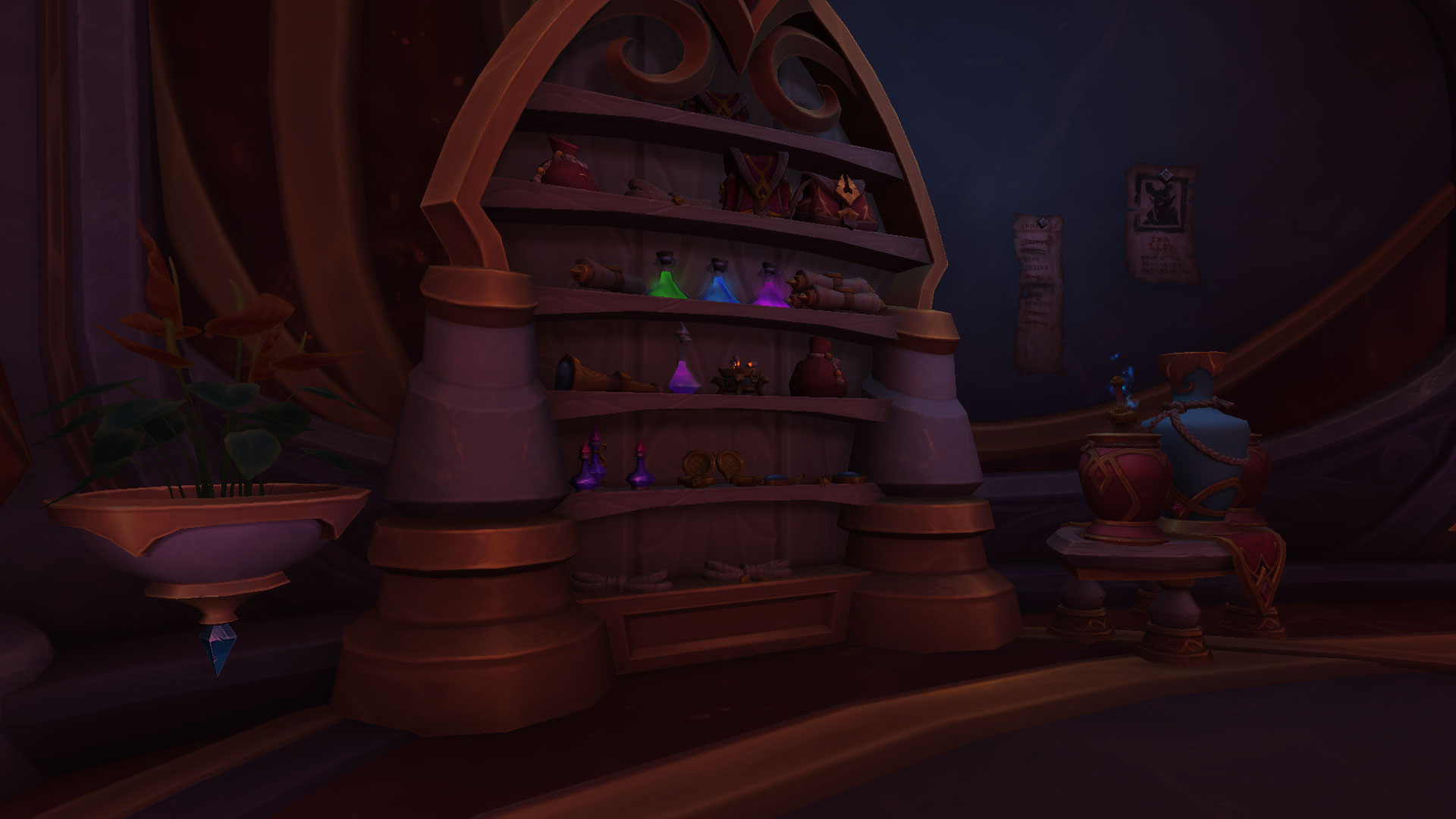
Player housing arrived in World of Warcraft with Midnight, and the Neighborhood system transforms individual housing plots into coordinated community spaces where guilds, friend groups, and casual communities build interconnected housing districts with shared aesthetic themes and collaborative decoration projects. The system supports full three-dimensional furniture placement with both grid-snapped and freeform modes, paint customization for every furniture piece, trophy display from raid and PvP achievements, and decorative rewards sourced from every content type in the expansion. Building your first Neighborhood requires understanding the placement mechanics, community coordination tools, and decoration optimization strategies that separate impressive housing districts from cluttered collection rooms.
Neighborhood Mechanics and Plot Selection
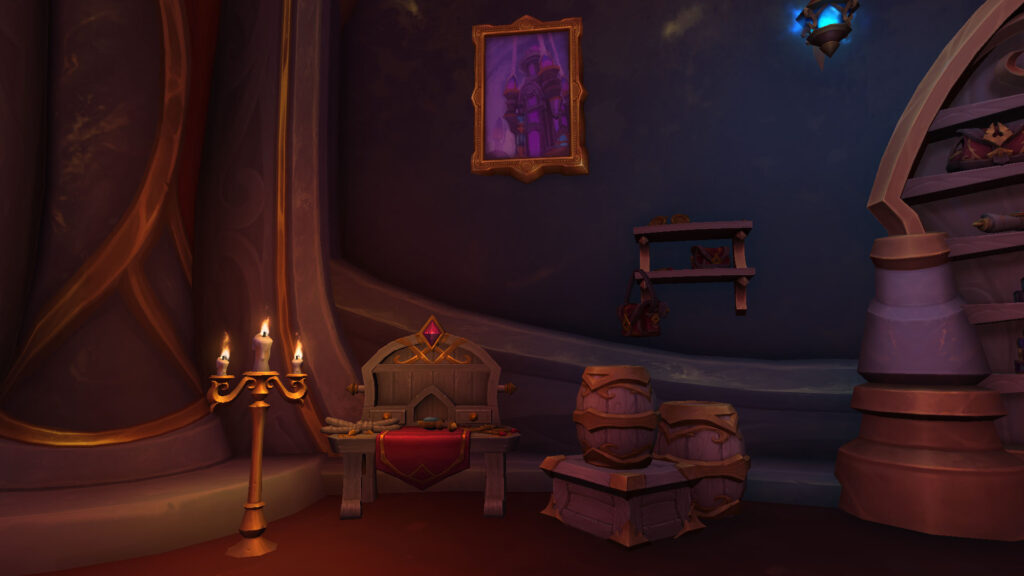
Neighborhoods organize housing plots into contiguous districts where each player’s plot borders their neighbors, creating visual continuity and enabling shared decoration projects that span multiple plots. When selecting your Neighborhood, consider whether you want to join an existing established community with pre-planned district themes or create a new Neighborhood with your friends that builds a theme from scratch. Existing Neighborhoods offer immediate access to coordinated decoration and experienced neighbors who can advise on placement techniques, while new Neighborhoods provide creative freedom at the cost of requiring you to coordinate all district planning internally.
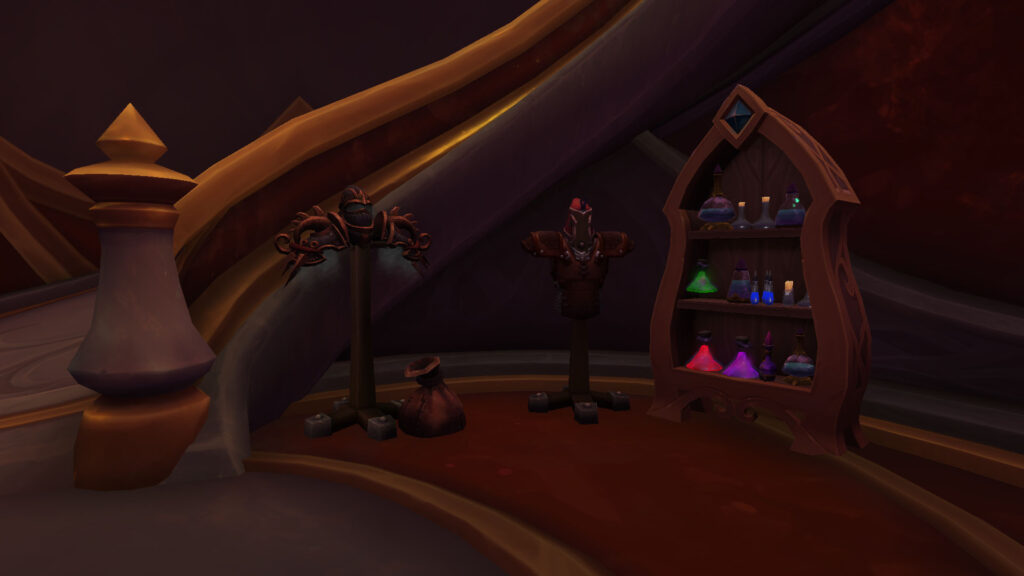
Plot orientation within the Neighborhood matters for lighting, sightlines, and decoration visibility. Corner plots offer the most exterior wall space for outdoor decoration display but receive less natural lighting from the shared Neighborhood lantern system. Center plots benefit from maximum ambient lighting but have limited exterior wall space, restricting your outdoor decoration options. Edge plots balance these factors and work well for most players who want a mix of indoor and outdoor decoration visibility. Choose your plot based on your decoration style: outdoor collectors should prioritize corner plots, interior decorators work best on center plots, and generalists find edge plots most accommodating for their mixed decoration needs.
Decoration Placement and Three-Dimensional Mechanics
| Category | Placement Mode | Rotation Support | Stacking Allowed |
|---|---|---|---|
| Furniture | Grid or freeform | Full 360-degree rotation | Yes, up to three items stacked |
| Trophies | Freeform only | Fixed orientation | No, single display per trophy |
| Wall Decorations | Grid-aligned to walls | Horizontal flip only | Yes, unlimited per wall |
| Lighting | Freeform with snap points | N/A | Yes, overlapping light zones |
Understanding these placement rules prevents the most common decoration mistakes that new housing players make. Furniture stacking allows three items maximum, meaning you can place a rug, then a table on the rug, then a trophy on the table, creating a three-tier display that maximizes vertical space in small plots. Freeform placement for trophies means they can sit on any surface including furniture tops, shelves, and wall-mounted brackets, but they cannot stack with other trophies, so plan your trophy display locations carefully before committing to furniture arrangements that may block trophy placement options.
- Grid snapping: Use grid mode for initial furniture placement to establish a clean structural layout, then switch to freeform for fine-tuning positions and adding decorative clutter that gives your plot personality
- Paint customization: Every furniture piece supports three paint channels that can be independently colored, allowing you to match your plot’s theme colors across dozens of individual pieces for a coordinated aesthetic
- Trophy sourcing: Trophies come from raid kills, PvP achievements, Prey System completions, and Delve progress, so decorate with your endgame goals in mind and leave empty display pedestals for achievements you have not yet earned
- Neighborhood themes: Coordinate with your neighbors on a district-wide color palette and decoration theme that creates visual continuity when walking through the Neighborhood, making the entire district feel like a cohesive community rather than a collection of unrelated plots
Community Coordination and Neighborhood Governance
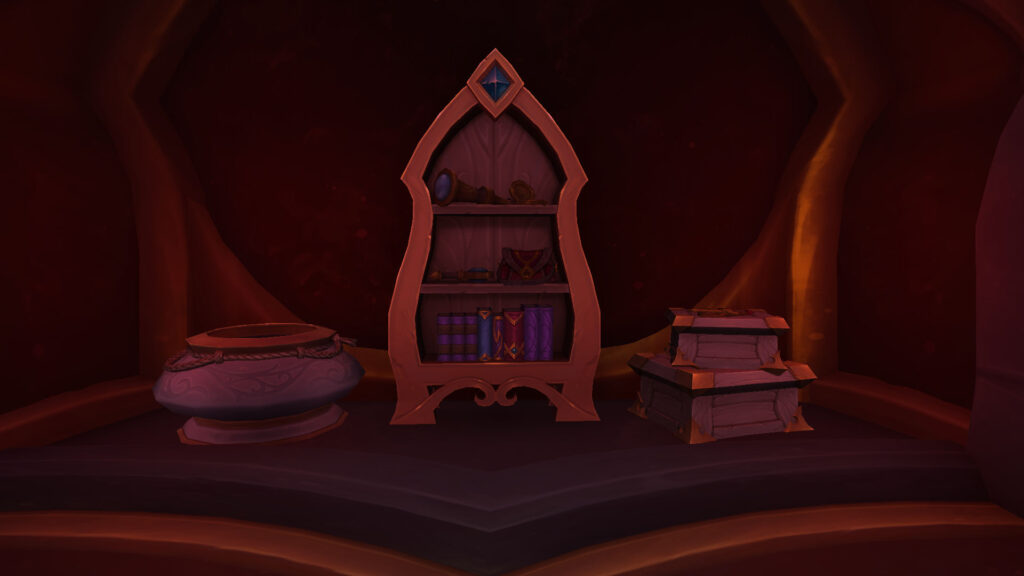
Neighborhoods include built-in communication tools that connect all plot owners within the district, including a shared bulletin board for coordination messages, a Neighborhood chat channel for decoration discussion, and officer ranks that the Neighborhood founder assigns to trusted members who help manage district theme enforcement and new member invitations. Establish your Neighborhood’s theme and decoration guidelines before inviting members to ensure everyone joins with clear expectations about the district’s aesthetic direction and decoration standards. Neighborhoods without clear guidelines tend to devolve into visual chaos where each plot follows a different theme, destroying the community aesthetic that makes Neighborhoods superior to isolated individual housing.
The Neighborhood officer system supports up to five officers who can invite new members, remove inactive players, and post bulletin board announcements. Assign officer rank to members who demonstrate consistent activity and decoration commitment, avoiding the common mistake of promoting friends who joined the Neighborhood but never decorated their plots. Active officers should conduct weekly plot inspections, offering decoration advice to new members and gently encouraging inactive members to either engage with their plot or make space for replacement members who will contribute to the Neighborhood’s visual development.
Advanced Decoration Techniques and Optimization
Master decorators use advanced placement techniques that go beyond basic furniture arrangement. The layering technique places semi-transparent objects behind solid furniture to create the illusion of depth and complexity that single objects cannot achieve, such as placing a translucent curtain behind a bookshelf to suggest a window that does not actually exist in the plot geometry. Color theory application across your three paint channels creates visual harmony by choosing complementary or analogous color schemes that repeat across multiple furniture pieces, establishing a recognizable theme that visitors associate with your specific plot.
Trophy placement follows its own optimization principles that many players overlook. Display your most impressive trophies at eye level near the plot entrance where visitors see them immediately, arranging lesser achievements on higher shelves or in secondary rooms that require exploration to discover. This hierarchy of display importance mirrors museum curation principles and transforms your plot from a random trophy collection into a curated achievement showcase that tells the story of your gameplay progression. Leave empty display spaces strategically placed throughout your plot to motivate your own future achievement hunting, turning your housing decoration into a visible progression tracker that celebrates both past accomplishments and future goals.